 >
>
EduSpots is proud to be an active member of the Ghana Community-Led Development Collaborative.
Background Information on the Collaborative*
“We are at a pivotal moment. The system as it stands is no longer fit for purpose. It was built in another era, shaped by colonial legacies, donor driven logics and a need for control rather than collaboration”
This was the rallying cry from Nana Asantewa, WACSI CEO, in her keynote speech to 600 development partners at an African regional convening in Feb 2025. Nana’s words are part of a growing call for our sector to change, to ensure it is lead by relationships not resources. And to ensure communities are seen as valuable not vulnerable; and needed, not needy.
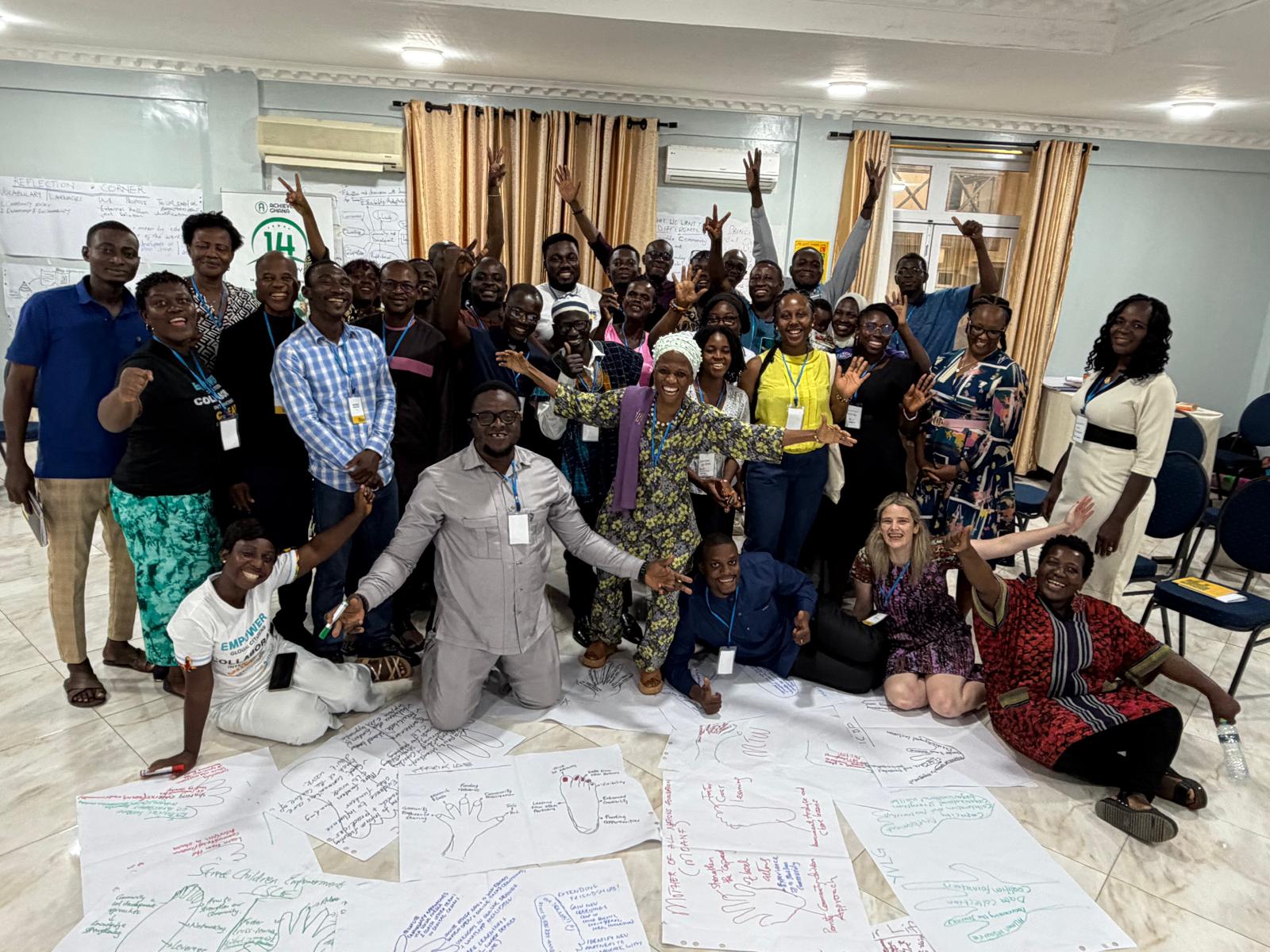
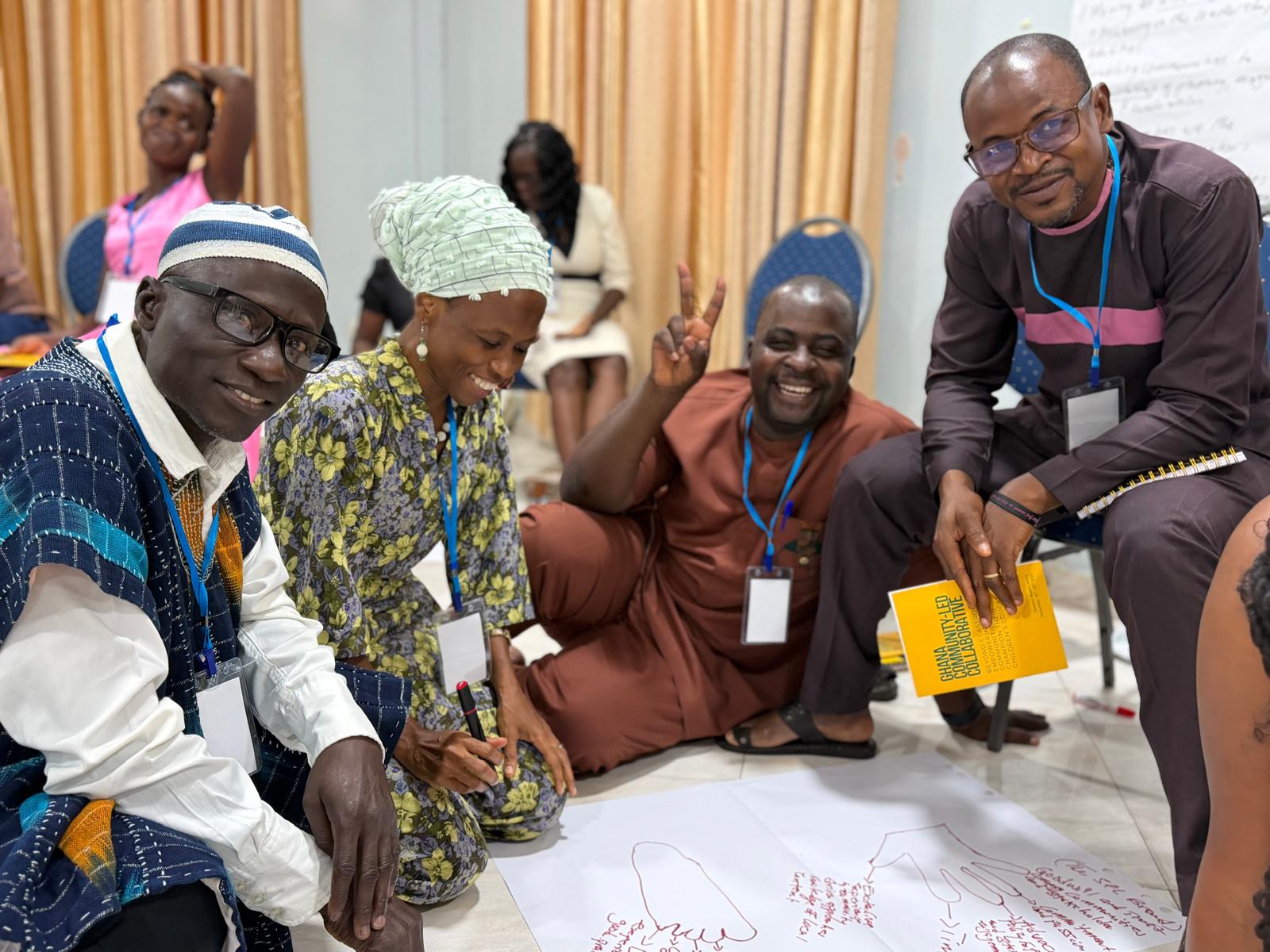
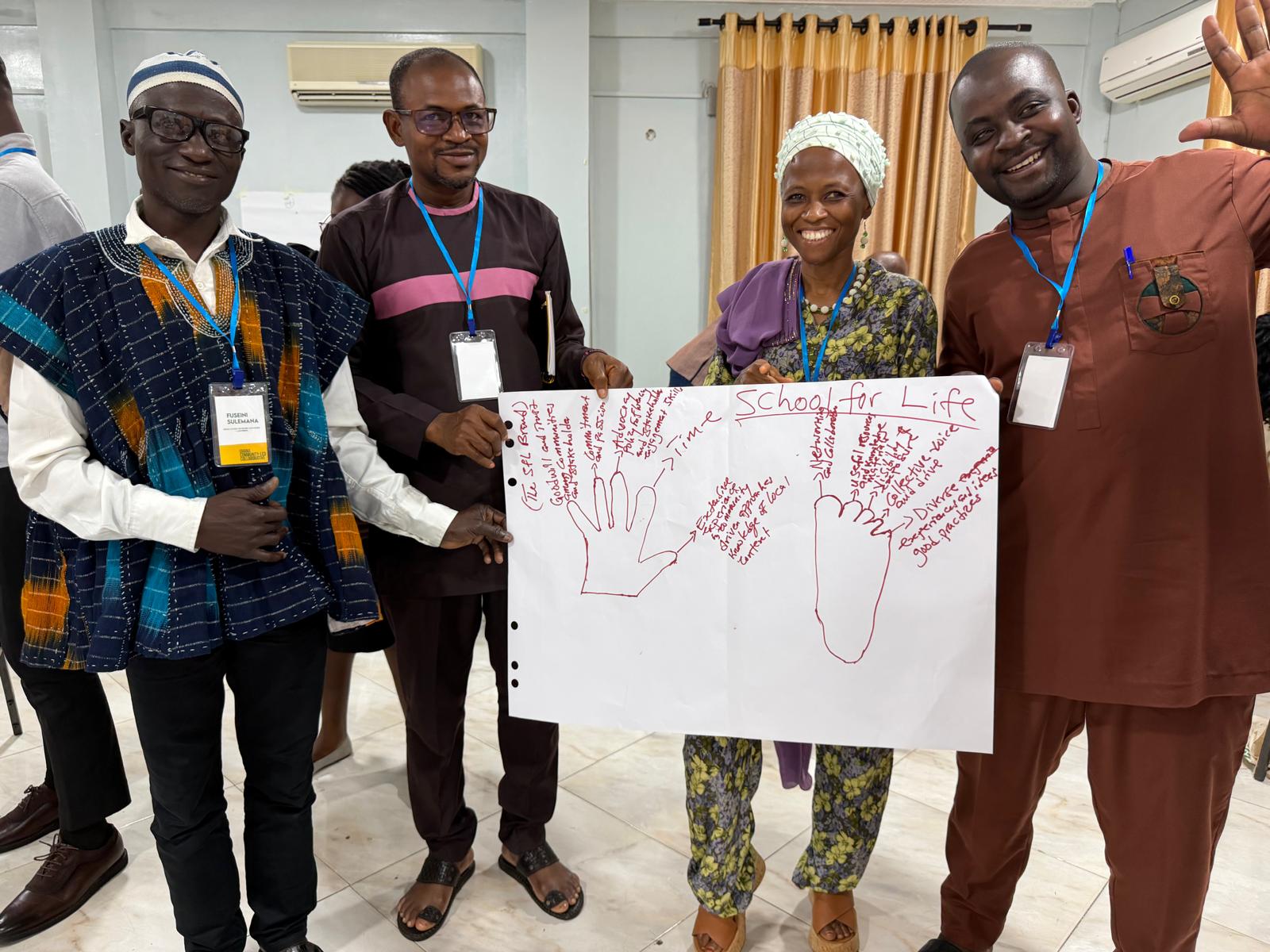
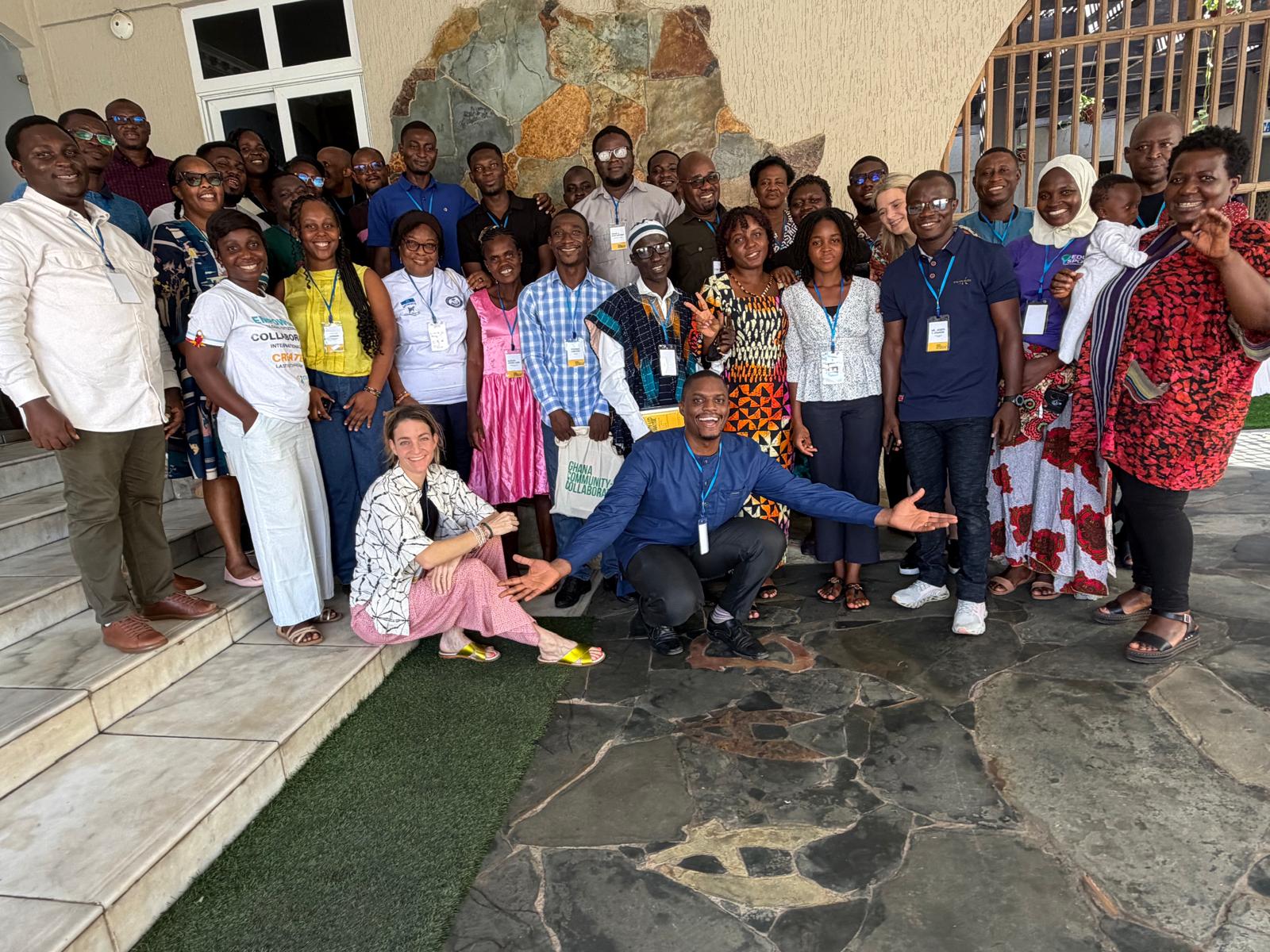
In November 2025, in Ghana in response to this growing call for the sector to change, a group of development practitioners came together to discuss creating a working and learning group, dedicated to recentring community at their heart of all their work.
The aim: to bring community-led development – a practice that already exists in communities all over the world – from the margins to the mainstream. The Ghana Community Led Development Collaborative was born.
The Collaborative brings NGOs, government, funders and other development practitioners together, to work as facilitators and coaches – not service delivers. And to document and share what happens in the communities when the change is led by them, and not by us.
The Aims of the Collaborative
The Ghana Community-Led Development Collaborative will be a 2 year learning collaborative, bringing together practitioners, advocates and funders in the community-driven change space in Ghana. The initiative seeks to:
- Promote community-driven approaches that place communities at the centre of education solutions.
- Strengthen the capacity of local actors to design, strengthen, lead, advocate for, and sustain initiatives that empower communities to actively address and support children’s educational needs.
- Foster cross-learning among local organisations to deepen understanding and implementation of effective community-driven strategies.
- Advocate for policy and practice change that recognizes and invests in communities as central to sustaining equitable and quality education for all.
- Document, analyse, and share lessons learned from community-led initiatives to inspire replication, adaptation, and scaling of successful approaches elsewhere.
*This text is all drawn from the CLDC’s handbook.
EduSpots’ Commitment to Community-led Education
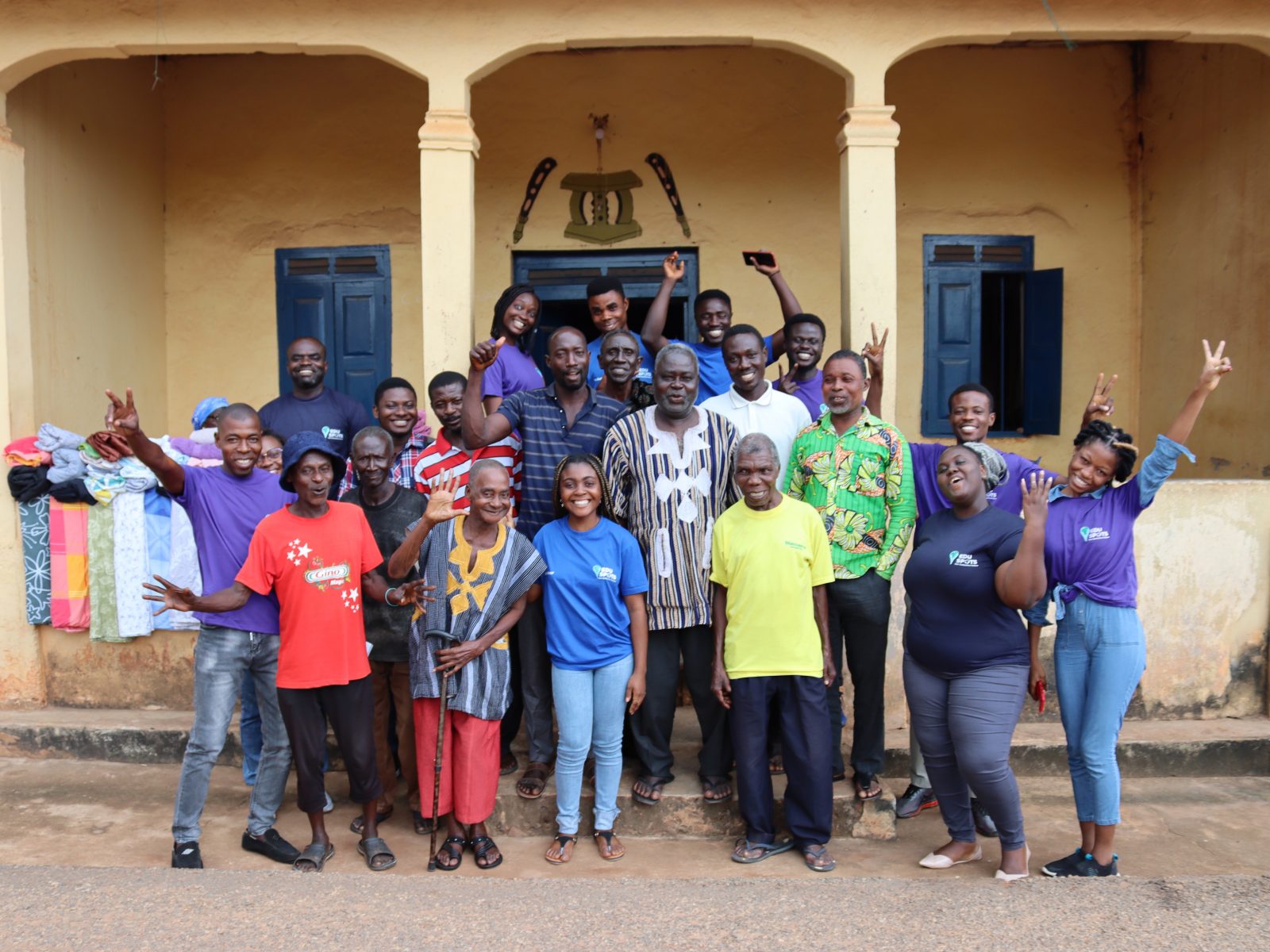
EduSpots was born from that same realisation, that meaningful change is best achieved and sustained when it is led by community members themselves, in response to a frequently locked, privately owned and externally-supported library in the Ashanti Region.
This understanding led to the birth of the first community-led Spot in Abofour 2015, and sparked the development of Dream Spot Model, co-created with local Catalysts.
This strong commitment to community leadership ignited a growing movement of 50 community-led and owned education hubs, with over 600 local Catalysts guided through a three staged programme in community leadership, supported by peer mentors drawn from the network.
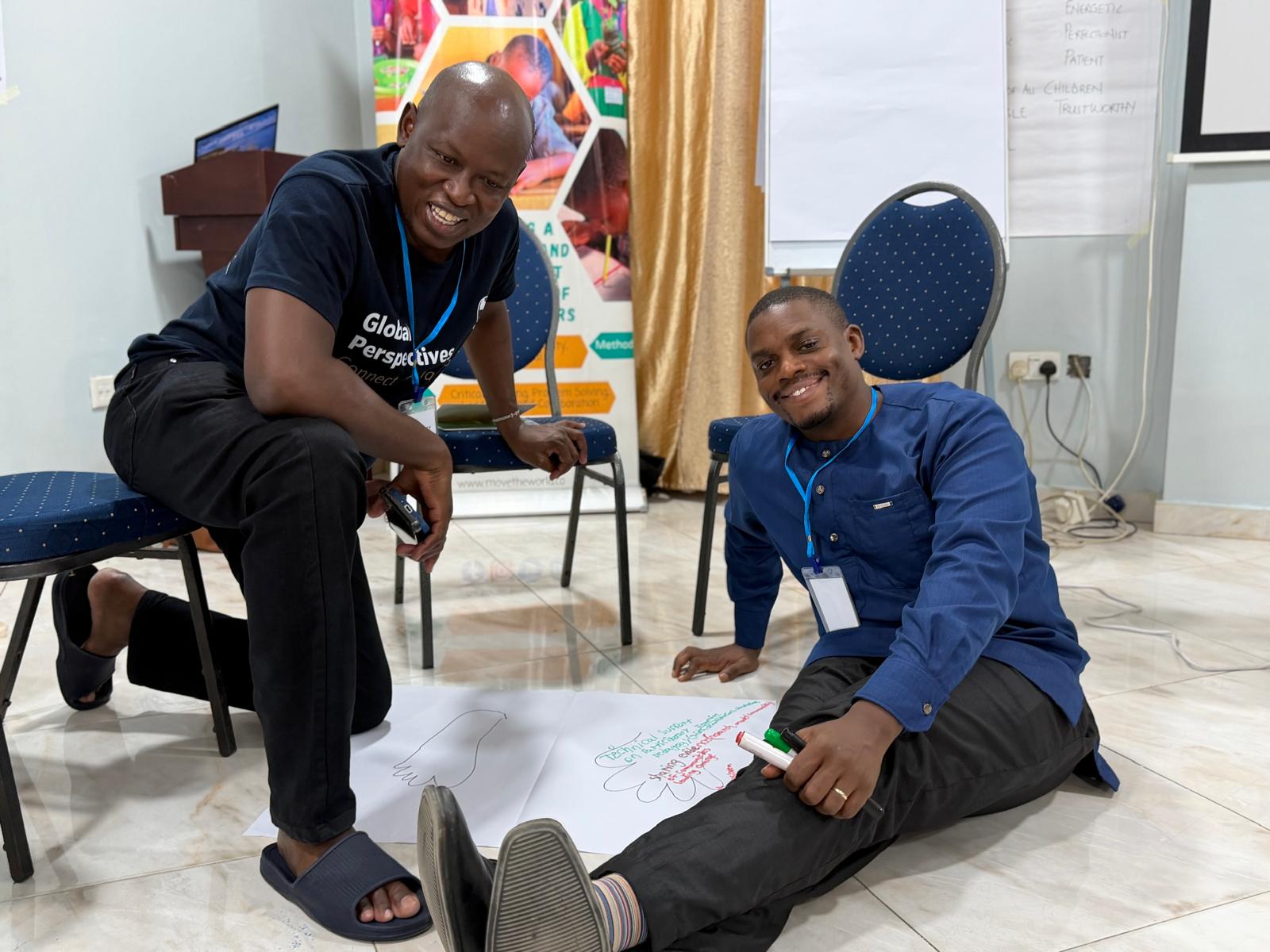
As such, in 2025, were excited to join this wider group of practitioners and work together to develop strategies for best moving the dial on community-led approaches —both through strategic educational design, and through wider communication and advocacy.
What does community-led development mean in the EduSpots context?
- Community members make the decision for their community to join the EduSpots network from the outset, through an application process.
- Community members oversee the Spots’ activities and safeguarding via a Spot Management Committee, drawn from a diverse range of stakeholders as determined by the community, with local Catalysts leading the day-to-day activities.
- Community members (those based in, or from a particular community) are those that are physically leading all change within that particular community (even if guided by specialists, when they see the need).
- Community members choose which educational strands to run, with EduSpots offering a portfolio of potential clubs, based on needs, interests and aspirations shared by local Catalysts, with community engagement and active citizenship central to all educational activities.
- Community members own and sustain the spaces and all activities within them – this means in terms of financial, maintenance and logistical ownership.
- Local Catalysts lead on the communications, fundraising, partnerships, educational and resource mobilisation strategies for their Spots.
- Local Catalysts recruit other Catalysts to lead all clubs, programmes, activities and wider upkeep at the Spot.
- Catalysts play a central role into feeding into all organisational decision-making including staff recruitment, budgeting, programmatic decisions and design, and decisions relating to EduSpots’ growth.
- 50% of EduSpots’ staff and Peer Mentor team are drawn from the Catalyst network, with intentional but equitable professional development pathways developed to support this process, ensuring strong Catalyst representation staff discussions and strategic planning.
- Catalysts play key advisory role through the developing Catalyst Committee, with an aim to bring a Catalyst onto the Ghana NGO board by the end of 2026 as we look to strengthen Catalyst role in organisational governance.
The Founding Members
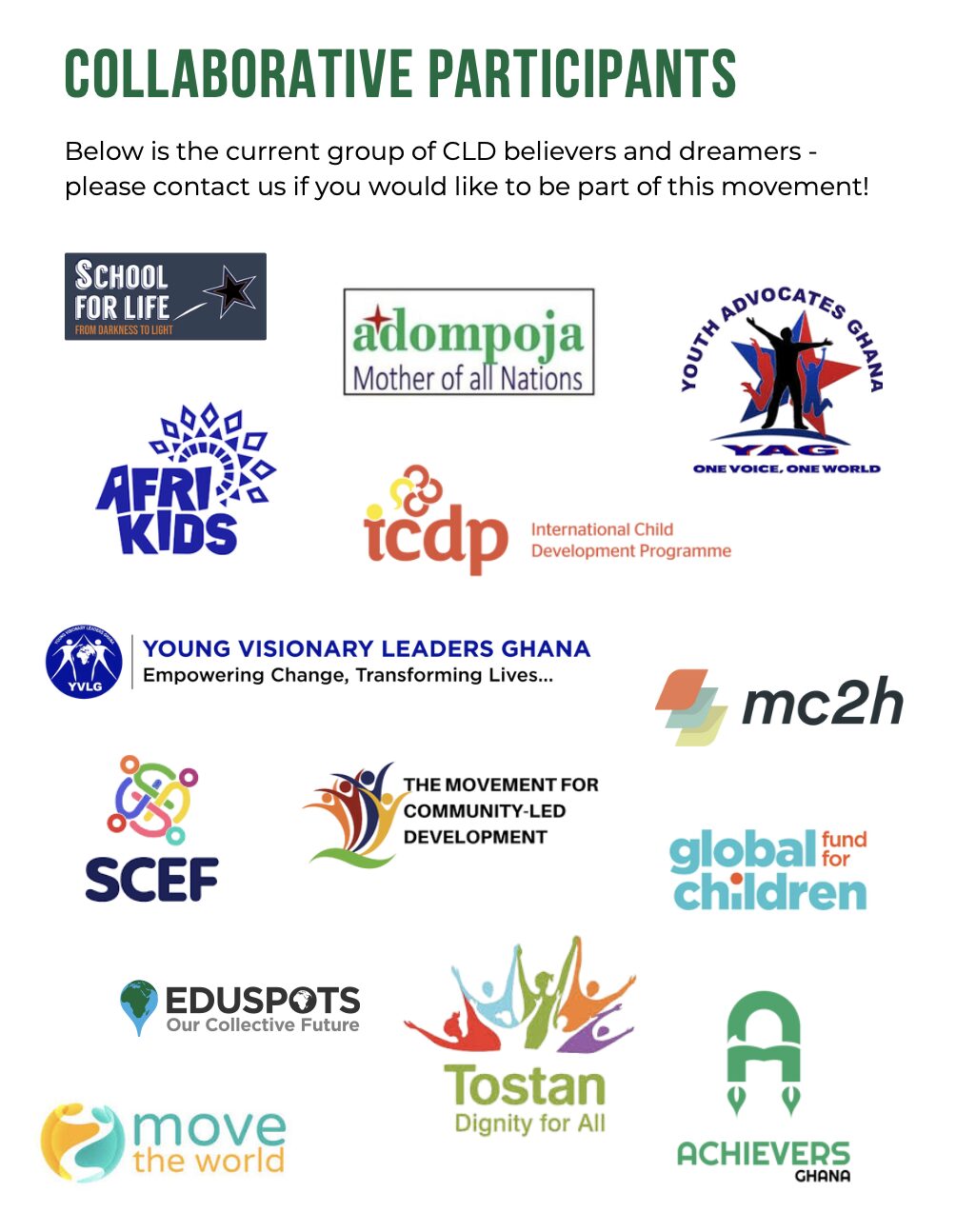
See the logos of all organisations involved in 2025 below. If you would like to be involved, or simply learn more, please contact:
Tara Wondraczek: mc2h foundation tara@mc2hfoundation.com
Ame Davis: Global Fund for Children adavid@globalfundforchildren.org