When EduSpots launched its Q2 Spot Lead Fundraising Challenge in April, the network set an ambitious target of GHS 50,000.
By the end of June, 33 Spots across four clusters attempted the challenge, with 18 successfully raising cash or in-kind contributions totalling GHS 105,244, 210% of the network target.
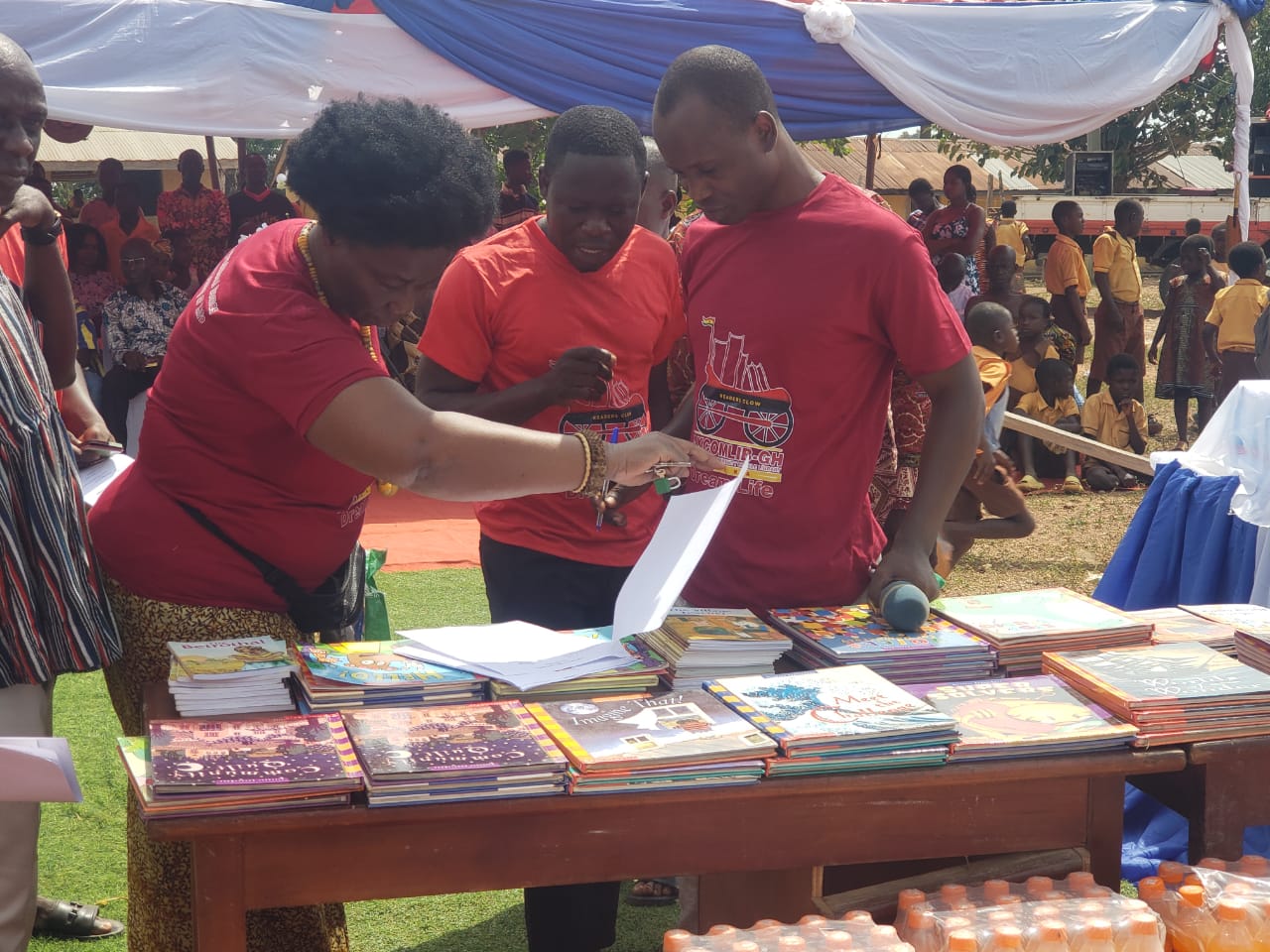
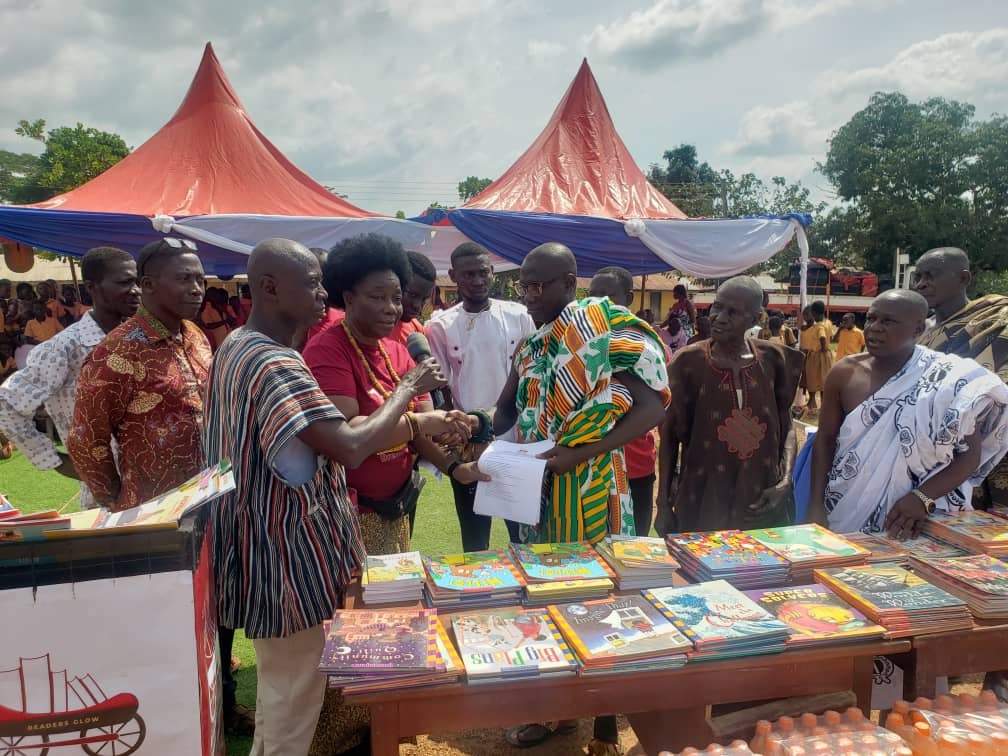
These fundraising challenges invite Spots across the EduSpots network to mobilise resources from within their own communities, building local ownership and long-term sustainability. The Q2 challenge demonstrated the different ways communities can come together to support their Spots.
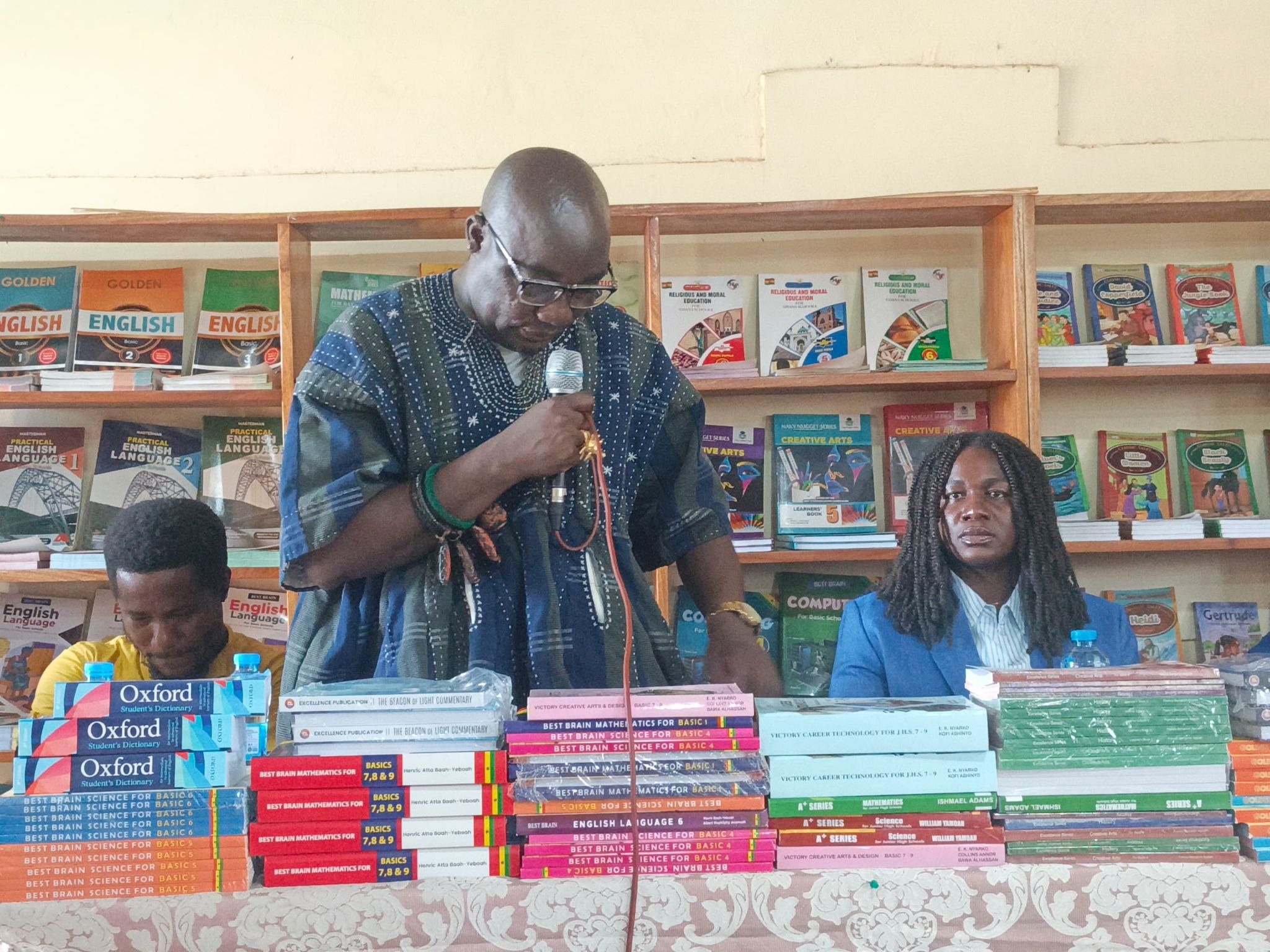
Over two-thirds of the total value raised came through in-kind contributions, including books, laptops, building materials, equipment and skilled labour. Communities also donated sand and cement for construction projects; traditional leaders contributed learning materials; a corporate partner provided laptops; local carpenters offered their skills.
Lessons from the challenge
Across EduSpots’ four regional clusters, several approaches consistently positioned Spots to build momentum and secure support.
Community events created visibility and energy around fundraising. Spots including Funko, Airforce Base and Asemasa used public gatherings to introduce their fundraising goals, while Abofour turned an existing community event into an opportunity to mobilise support.
Printed envelopes and direct engagement helped make appeals clear and personal. Elmina, Dadwen and Akumadan used printed envelopes containing information about their Spots and what donations would support. This gave community members an opportunity to understand the purpose of the appeal and ask questions before deciding how to contribute.
Trusted relationships were another important factor. Spots with established connections to Parent Teacher Associations (PTA), School Management Committees (SMC), traditional leaders, and local organisations were often better positioned to mobilise support. Wodome Akatsi’s exceptional result (the strongest in the network) demonstrates the potential of purposeful engagement across multiple stakeholder groups.
Examples from Across the Network
Wodome Akatsi, Volta Region (Total value of GHS 32,405)
Wodome Akatsi recorded the strongest result across the network, with the majority of its fundraising coming through in-kind contributions.
The Spot secured 10 laptops from the Identra Ghana Foundation, alongside cash support from the PTA and SMC and learning materials from traditional leaders. The team is now working with local carpenters to prepare the space so that the laptops can be put to use during the September term.
Dulugu, Northern Region (Total value of GHS 25,860)
Dulugu secured GHS 25,400 in building materials and labour for its Spot build, including sand and cement, plus GHS 460 in cash. Using PTA meetings, direct individual tasks, and flyers, the team deliberately invited non-cash support, drawing on materials and skills already available in the community.
Yamfo, Middle Region (Total value of GHS 12,900)
Yamfo recorded the largest cash total in the entire network and was the only Spot to exceed the GHS 10,000 Spot-level target. The Spot Management Committee led the effort, mobilising the PTA and other community stakeholders, building on relationships that were already in place. Their experience shows how community ownership and existing community networks can help Spots build support for their work.
Joska, Kenya (Total value of KSh 87,600 or ~GHS 8,000)
Joska recorded the highest cash total in the challenge.
The team mobilised support through personal networks, sending letters to friends and family and sharing regular updates on social media.
With more than 700 students sharing just 200 storybooks, the Spot used the funds to purchase 300 new books, enabling the launch of a satellite library. The team also installed security for the main library and provided sports equipment to a neighbouring primary school.
Kejabil, Central/Western Region (Total value of GHS 6,000)
Kejabil secured GHS 6,000 entirely through in-kind contributions, one of the stronger results in the Central/Western cluster.
Asemasa, Central/Western Region (Total value of GHS 4,763)
Asemasa recorded the highest cash total in its Central/Western cluster.
The team announced its fundraising appeal publicly at a community event before following up with house-to-house engagement. The combination of broad community reach and persistent follow-up helped turn the initial appeal into meaningful support.
Kato Berekum, Middle Region (Total value of GHS 4,200)
Kato Berekum in the Middle Region emerged as an example of a strong fundraising process. The Spot combined social media outreach, corporate letters, community events, and a dedicated fundraising desk. Catalysts had clear responsibilities, while photos and a donation register kept track of what had been raised.
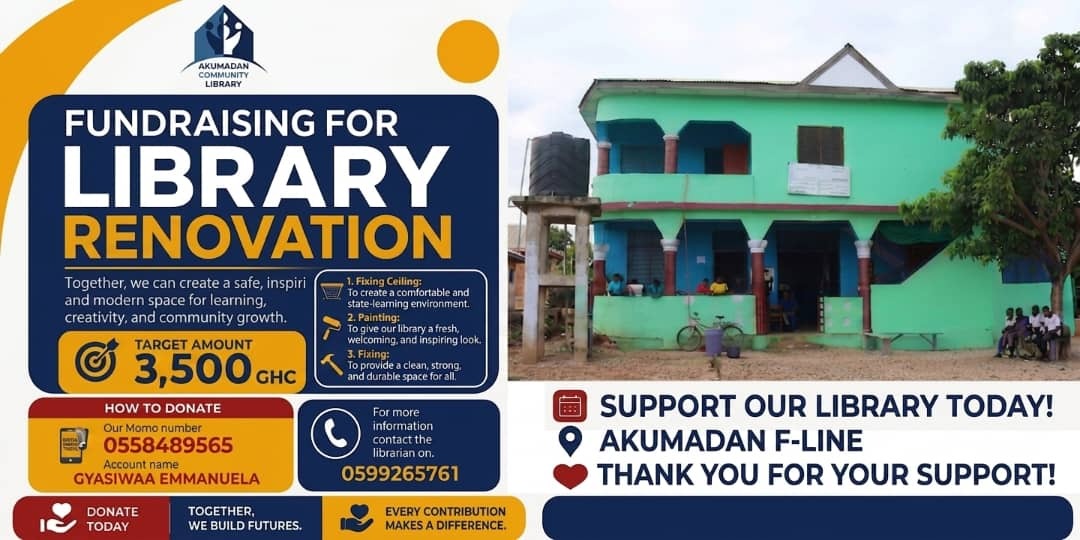
For some Spots, the process itself created important foundations for future support. Elmina, for example, combined social media outreach, community engagement, and printed fundraising envelopes. Although limited cash had been received by the end of Q2, the process helped reconnect the Spot with community leaders and reminded the wider community of its purpose and impact. The result was not an immediate financial return, but relationships and visibility that can support future fundraising.
Stephen Tawiah of Soko Spot in the Middle Region had a similar experience. Although his Spot was unable to raise funds during the challenge, the process helped build new networks and increase the Spot’s visibility within the community.
Across the network, several other Spots also raised cash or in-kind contributions during the challenge, including Sefwi Asanteman (GHS 3,300), Dormaa Ahenkro (GHS 2,000), Airforce Barracks (GHS 1,000), Ekoso (GHS 900), Dadwen (GHS 700), Abofour (GHS 500), Kanfakrom (GHS 464), Akumadan (GHS 300), Elmina (GHS 200), and Sanzule (GHS 156). Every contribution, regardless of size, reflects communities choosing to invest in their own learning space.
Building the skills to fundraise
The challenge was supported by a wider programme of training and peer learning.
Spot Leads participated in Zoom training sessions and WhatsApp for Learning peer exchanges, while a fundraising handbook provided practical guidance, tools and templates.
In the Central/Western Region, a dedicated session facilitated by staff members helped challenge the assumption that communities had little or nothing to contribute. Shifting this mindset was important in positioning Spot Leads to recognise the value of approaching fundraising more broadly.
What’s next
The Q2 challenge has also created a pipeline for continued fundraising.
Several proposals submitted to corporate organisations are pending, meaning opportunities generated during Q2 can continue into the coming months. New Ebu and Elmina also have fundraising activity continuing into Q3.
Looking ahead, the network will build in-kind contributions more deliberately into future challenge designs, and strengthen structured peer learning between Spots to build their fundraising confidence.